I work in this field and can speak to these systems.
These systems tend to perform quite well as their primary selling point is not necessarily cost reduction, flat, but rather increased revenue through higher and more reliable throughput. The trade off is that these systems are quite complex and normally require a great deal of coordination between the customer who may or may not operate the product and the OEM that builds and maintains it.
In my experience the biggest challenge is defining those responsibilities such that throughput is maintained. These systems are like high performance sports cars, they work well if taken care of and operated skillfully but can degrade faster as a result of lack of experience. Some of our customers permit us (the OEM) to operate and maintain to a greater extent then others. Given we have a greater deal of experience with the tool those customers tend to have measurably better performance.
To give an idea of why this particular industry has a harder time building the talent pool I’m referring to consider the domains that need to be covered.
Electromechanical systems, mobile robots, multi-robot systems, PLC programming, DCS, SCADA, multi-axis robots, VFDs, electrical power systems, relational databases, non-relational databases, message brokers, caching systems, distributed systems, Linux and Windows system administration, networking, industrial networking protocols (it’s different), software development, Kubernetes. This is the skill set of one technical professional in this space.
I commonly deal with issues that cover several of those areas simultaneously. E.g. robot communications are slowing down due to full message broker queue which is determined to be caused by a faulty motor causing slippage which leads to a large number of messaged being generated that fill the queue and cause other bots to begin making pathing errors due to communication timeouts.
While I know you wanna stand up for your employer: don’t.
Quite literally for your job safety you should delete this post unless you’re literally PR and speaking in a way your employer would be fine with.
Most corporate training modules involve clear information you should never post like this because you’ll almost certainly get fired.
If you want to share things, post it more as “I work for a company that makes robots like this. The problem with our biggest warehouse clients is X, where our smaller ones is Y, so that’s probably the case here too.” Never directly show your employer like this.
So I’m all for these kinds of systems. What I see coming from a legacy manufacturer is they have so many limitations and restrictions, or their CTO and similar departments refuse to accept some of the system requirements, that once they purchase a novel new technology system, it just falls apart. From my experience it has almost always been two things, either the vendor selling the service over sold their ability, or the purchasing company ham strung the project so much that it was doomed before it started.
But I’m still hopeful, you actually build a system that meets the requirements, you have a customer actually embrace the systems and changes, it would enable success.
I’ve seen the same. My current take is basically “nothing about how we did warehouses transfers to this new way, and attempting to make them dovetail gives you the worst of two worlds”.
The cool thing is there’s so many neat new industries this can create. The downside is that, as usual, there’s a big disconnect between P&L decision makers and technical professionals.
Disconnect between P&L decision makers and technical professionals, been the same story for 40 years now. The more the C suite is filled with “business/accounting/law” the further the business moves away from its core competency. Praise be to jack welch, may he rest in piss.
So. The usual “Management trying to save a insignificant amount by making a stupid decision on a system they don’t understand for a job they don’t know”…
The system is way more expensive than the workers were. By like, orders of magnitude. They buy it because you can basically 10x a warehouses throughput using it.
Don’t get me wrong, after accounting for increased throughput and the gains by automation you end up with a bigger margin than by having a swarm of workers in a dusty warehouse but it necessitates hiring a ton of technical professionals that you generally have to pay more. Additionally this whole space is really hard for AI to touch because it’s very cross domain and real time. For reference. My role is considered “entry level” and I get 6 figures.
All that being said this isn’t so much managers being idiots (though there’s plenty of that) so much as “our core competencies built from the ways we did warehouses before do not translate to how we do them now and friction is being generated as a result of that transition.”
There are technical issues with the system. It’s largely built to integrate with legacy industrial tech which ties it into the windows space, this has led to a lot of decisions about tooling that degrades performance and leads to memory leaks.
This is actually a good time to get into the space. There’s not a ton of companies competing over a now growing market and the work is weird enough that AI hasn’t fully eaten it.
Downside, see my other posts, the field wants to pull people who have a pretty diverse skill set. I would be prepared to discuss RAFT consensus in the same conversation as PID tuning and control theory.
Checkout companies like Symbotic, Boston Dynamics, or robotics integrators like ABB
The industry is still in its infancy, not just warehouse automation but robotics and fleetops in general.
There’s a lot of growing pains as we figure out the best ways to manipulate autonomous robot swarms that can number in the thousands.
One of the big issues is just training personnel for all this. It’s quite rare to find people with a background in both hardware and software and who can speak both fluently.
As I replied to others, in systems like this it’s not as simple as cost savings. The selling point is increased throughput. The system costs more upfront and factoring future gains from increased throughput you end up making more money than if you had kept the cheaper manual workforce.


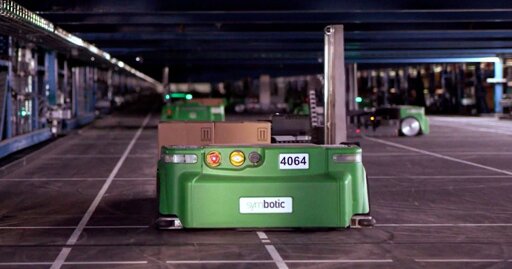
I work in this field and can speak to these systems.
These systems tend to perform quite well as their primary selling point is not necessarily cost reduction, flat, but rather increased revenue through higher and more reliable throughput. The trade off is that these systems are quite complex and normally require a great deal of coordination between the customer who may or may not operate the product and the OEM that builds and maintains it.
In my experience the biggest challenge is defining those responsibilities such that throughput is maintained. These systems are like high performance sports cars, they work well if taken care of and operated skillfully but can degrade faster as a result of lack of experience. Some of our customers permit us (the OEM) to operate and maintain to a greater extent then others. Given we have a greater deal of experience with the tool those customers tend to have measurably better performance.
To give an idea of why this particular industry has a harder time building the talent pool I’m referring to consider the domains that need to be covered.
Electromechanical systems, mobile robots, multi-robot systems, PLC programming, DCS, SCADA, multi-axis robots, VFDs, electrical power systems, relational databases, non-relational databases, message brokers, caching systems, distributed systems, Linux and Windows system administration, networking, industrial networking protocols (it’s different), software development, Kubernetes. This is the skill set of one technical professional in this space.
I commonly deal with issues that cover several of those areas simultaneously. E.g. robot communications are slowing down due to full message broker queue which is determined to be caused by a faulty motor causing slippage which leads to a large number of messaged being generated that fill the queue and cause other bots to begin making pathing errors due to communication timeouts.
While I know you wanna stand up for your employer: don’t.
Quite literally for your job safety you should delete this post unless you’re literally PR and speaking in a way your employer would be fine with.
Most corporate training modules involve clear information you should never post like this because you’ll almost certainly get fired.
If you want to share things, post it more as “I work for a company that makes robots like this. The problem with our biggest warehouse clients is X, where our smaller ones is Y, so that’s probably the case here too.” Never directly show your employer like this.
Probably right lol, edited to remove identifying information.
Username says they run rum. I think the robot stuff is just a hobby.
So I’m all for these kinds of systems. What I see coming from a legacy manufacturer is they have so many limitations and restrictions, or their CTO and similar departments refuse to accept some of the system requirements, that once they purchase a novel new technology system, it just falls apart. From my experience it has almost always been two things, either the vendor selling the service over sold their ability, or the purchasing company ham strung the project so much that it was doomed before it started.
But I’m still hopeful, you actually build a system that meets the requirements, you have a customer actually embrace the systems and changes, it would enable success.
I’ve seen the same. My current take is basically “nothing about how we did warehouses transfers to this new way, and attempting to make them dovetail gives you the worst of two worlds”.
The cool thing is there’s so many neat new industries this can create. The downside is that, as usual, there’s a big disconnect between P&L decision makers and technical professionals.
Disconnect between P&L decision makers and technical professionals, been the same story for 40 years now. The more the C suite is filled with “business/accounting/law” the further the business moves away from its core competency. Praise be to jack welch, may he rest in piss.
So. The usual “Management trying to save a insignificant amount by making a stupid decision on a system they don’t understand for a job they don’t know”…
Ummm, no?
The system is way more expensive than the workers were. By like, orders of magnitude. They buy it because you can basically 10x a warehouses throughput using it.
Don’t get me wrong, after accounting for increased throughput and the gains by automation you end up with a bigger margin than by having a swarm of workers in a dusty warehouse but it necessitates hiring a ton of technical professionals that you generally have to pay more. Additionally this whole space is really hard for AI to touch because it’s very cross domain and real time. For reference. My role is considered “entry level” and I get 6 figures.
All that being said this isn’t so much managers being idiots (though there’s plenty of that) so much as “our core competencies built from the ways we did warehouses before do not translate to how we do them now and friction is being generated as a result of that transition.”
There are technical issues with the system. It’s largely built to integrate with legacy industrial tech which ties it into the windows space, this has led to a lot of decisions about tooling that degrades performance and leads to memory leaks.
Please give me a job, thank you good sir or madam.
This is actually a good time to get into the space. There’s not a ton of companies competing over a now growing market and the work is weird enough that AI hasn’t fully eaten it.
Downside, see my other posts, the field wants to pull people who have a pretty diverse skill set. I would be prepared to discuss RAFT consensus in the same conversation as PID tuning and control theory.
Checkout companies like Symbotic, Boston Dynamics, or robotics integrators like ABB
Job sounds interesting. Several questions if u don’t mind me asking because I’m thinking to do small career change.
Unfortunately we don’t have standardized roles in this industry.
Jobs like these tend to touch one of a couple spaces.
In general you’re looking for jobs that reference a mixture of networking, control systems, SCADA, DCS, PLC, IT infra, and of course robotics.
My entire team is 30+, hard to find people with a diverse background that are also 22.
Sounds like they might be learning from their mistakes though? If so, they’re smarter than most businesses.
The industry is still in its infancy, not just warehouse automation but robotics and fleetops in general.
There’s a lot of growing pains as we figure out the best ways to manipulate autonomous robot swarms that can number in the thousands.
One of the big issues is just training personnel for all this. It’s quite rare to find people with a background in both hardware and software and who can speak both fluently.
You named one main problem here.
The other ist cost. How much does a system cost that replaces one worker cost? INCLUDING the required technically skilled service staff?
As I replied to others, in systems like this it’s not as simple as cost savings. The selling point is increased throughput. The system costs more upfront and factoring future gains from increased throughput you end up making more money than if you had kept the cheaper manual workforce.
Ah yes, the gotta get your SLA to PMS the PLC on your ABBs
You get what I’m putting down