

- cross-posted to:
- linux@lemmy.ml

- cross-posted to:
- linux@lemmy.ml
Astonishingly, the private keys were 4, 56, 66, 115, 155, 156, 230, 237.
exploiting compromised certificates requires an active adversary-in-the-middle attack, meaning the attacker must act as a proxy between two TLS parties and receive encrypted traffic, decrypt it, reencrypt it, and send it to the other party. Such capabilities, in some cases, are usually limited to only the most well-resourced attackers. People with control of a local network—at a coffee shop, university, or other organization—face much less of a challenge.
https://emudhra.we-have-a-problem.com/
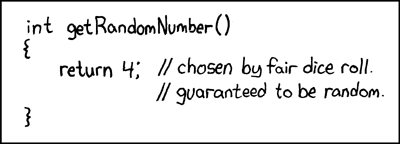
The wildest part to me is that the keys weren’t just weak, they were tiny — 4, 56, 66 — small enough to fit in a byte. That’s not degraded entropy, that’s a keygen path that returned a counter or a placeholder value instead of randomness at all. And since the public halves of those certs have been sitting in Certificate Transparency logs for years, anyone could’ve caught it by just testing small scalars against the published public keys — no nation-state budget needed to find them, only to quietly use them. The browser response was genuinely fast once it surfaced, but this was detectable the whole time. Makes you wonder how many other CAs have test values live in production that nobody’s ever bothered to scan for.
is AI karma-farming on Lemmy too now?