It makes sense for government organizations, they use public money, therefore it should available to the public to do anything they want with it.
But I don’t understand why small independent devs choose to use a license like this over the GPL.
I’m out of the loop Is this topical?
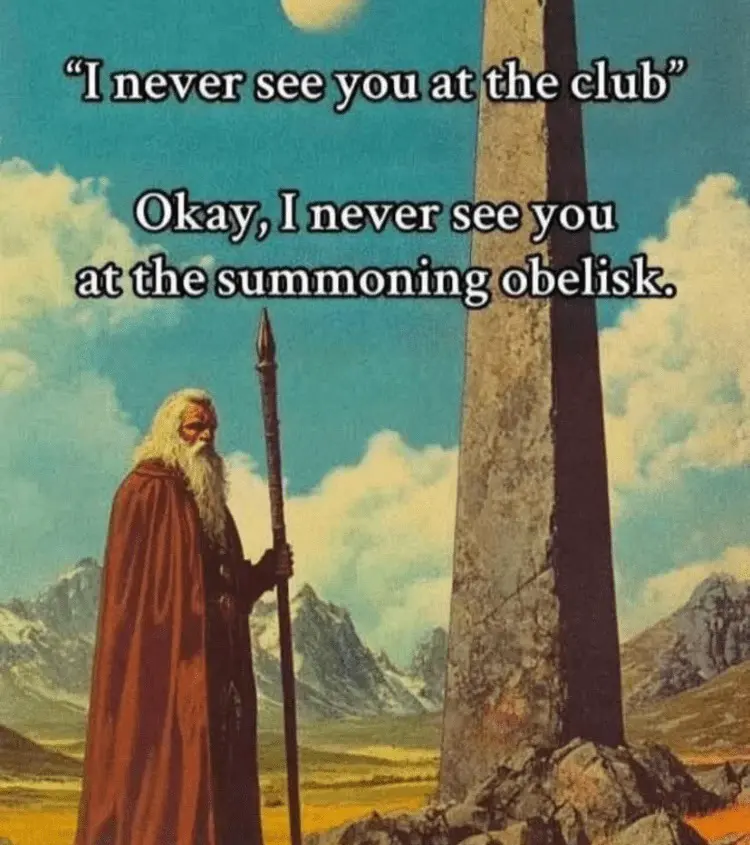
This meme is coming on 30 years old in terms of content.
Real developers use the UNLICENSE
This is how I learn that one of my favorite programs that I use all the time, YT-DLP, is “UNLICENSED” and deliberately in the public domain. That’s fucking rad.
How specific can licenses really get? Would it be possible to update the license on a version update of an existing library to for instance specifically forbid Fortune 1000 companies from using it, but everyone else can? It would be amazing to see these places get their tech stacks ripped out from under them, although of course many would just illegally use the code and never tell
There are “non commercial” licenses, so I don’t see any reason why you couldn’t do a “commercial only under these conditions” and the conditions only allow for solo developers and small teams and stuff like that. There are also people who do no-commercial-unless-you-pay-me.
The one thing you can’t do afaik is change the license retroactively. So you could change it for all future versions but the versions you released under MIT or whatever will remain under that previous license.
You can relicense code. Though that doesn’t mean that you can take anything away. You just open another avenue for people to use what you wrote and developed, and any old license still exists and retains validity; the way you can curtail rights is by not granting liberal terms on newly created code.
This is how macOS switched to zsh, and left all GNU code in it to rot.
It’s possible. “GPLv2+” code picked up the new terms when GPLv3 was released, and if GPLv4 is ever released, the v4 terms will also apply.
This is why the Linux kernel specifies GPLv2. Not v2+, only v2.
They would just fork it at that version. Licenses aren’t retroactive.