
I like to manage services maximally with systemd so it was a natural fit for me.
It did not seem difficult to set up web and database quadlets so they are properly networked.
I like to manage services maximally with systemd so it was a natural fit for me.
It did not seem difficult to set up web and database quadlets so they are properly networked.


Spoken like a wise elder!
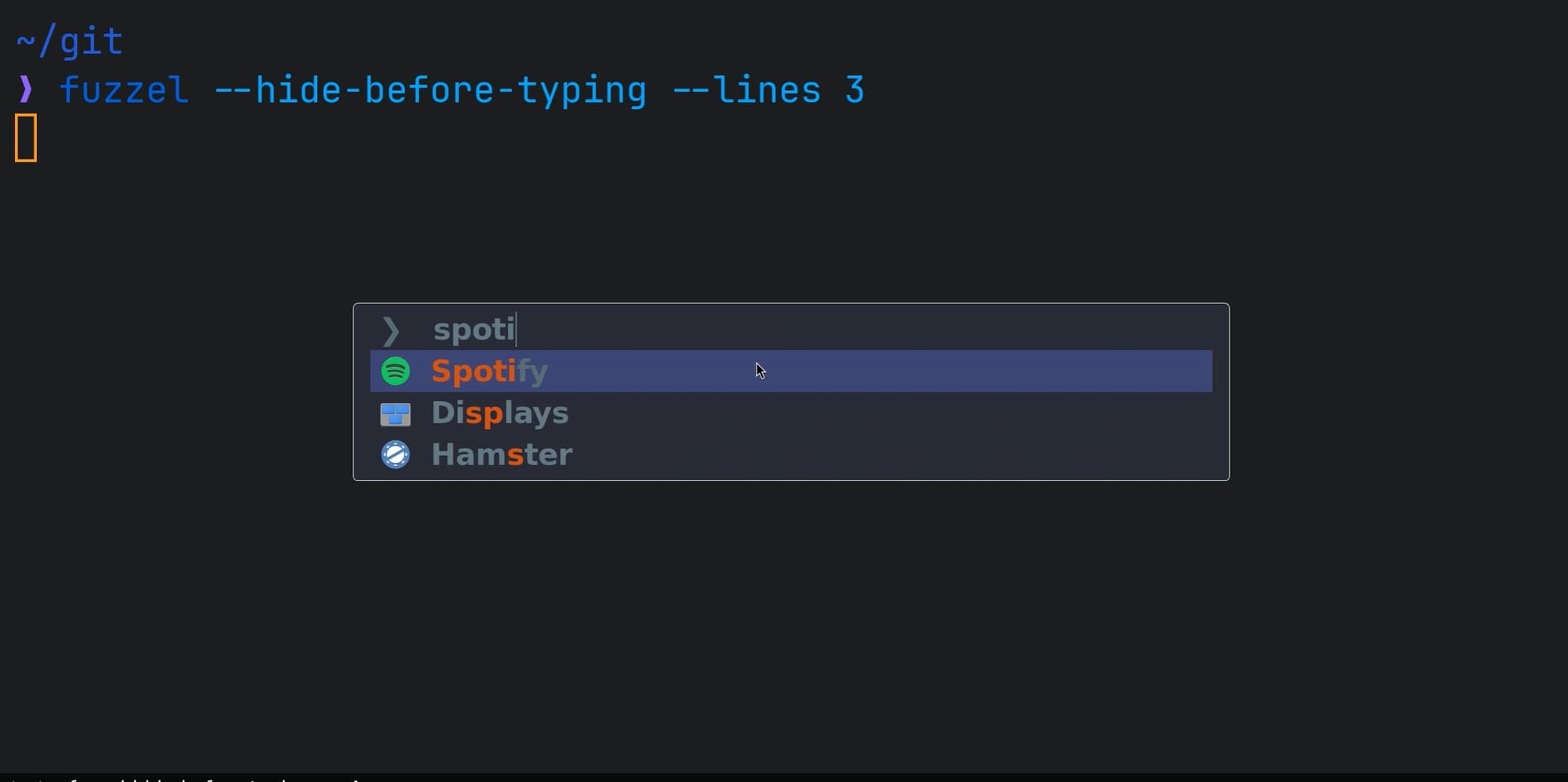
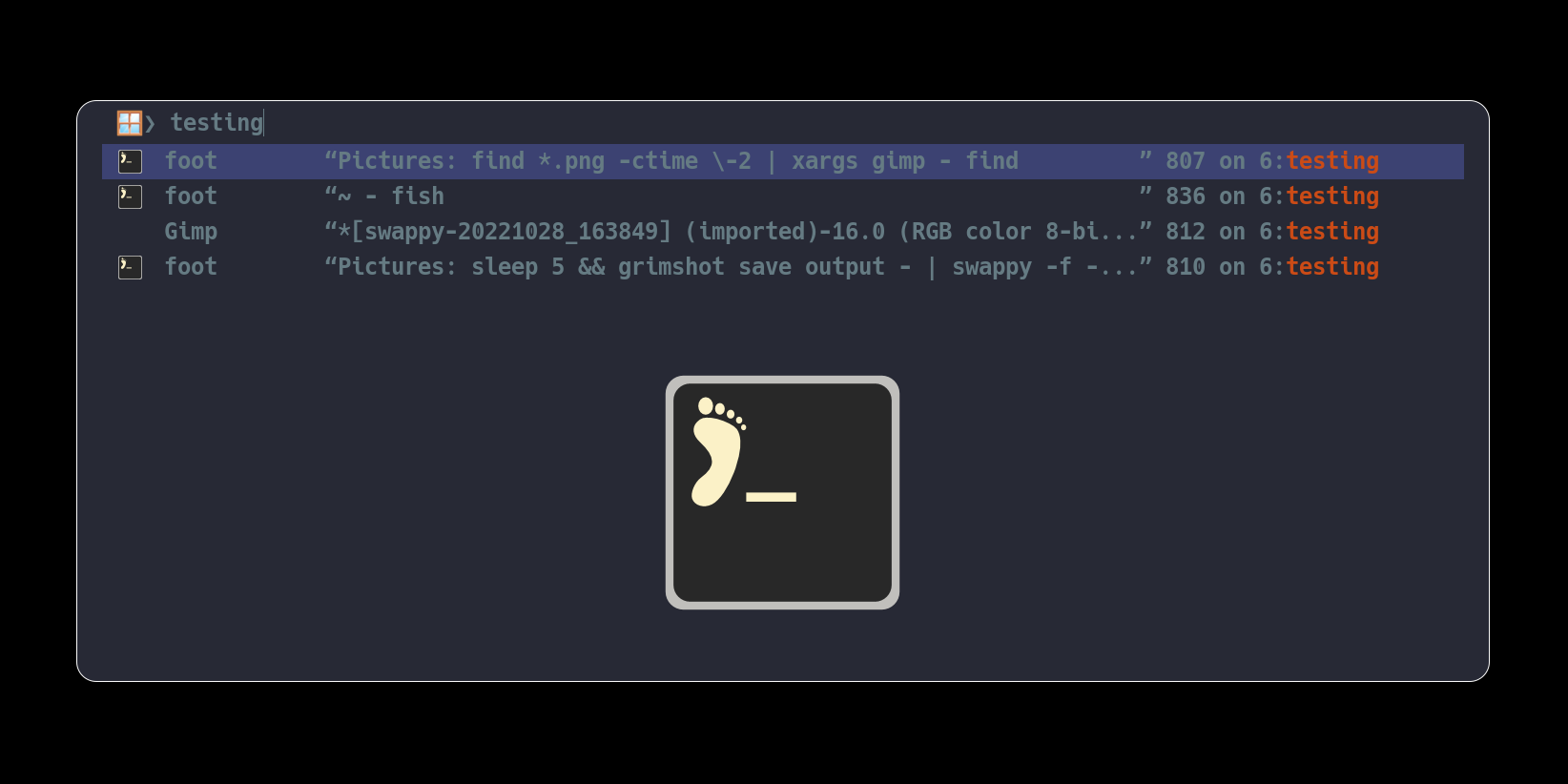
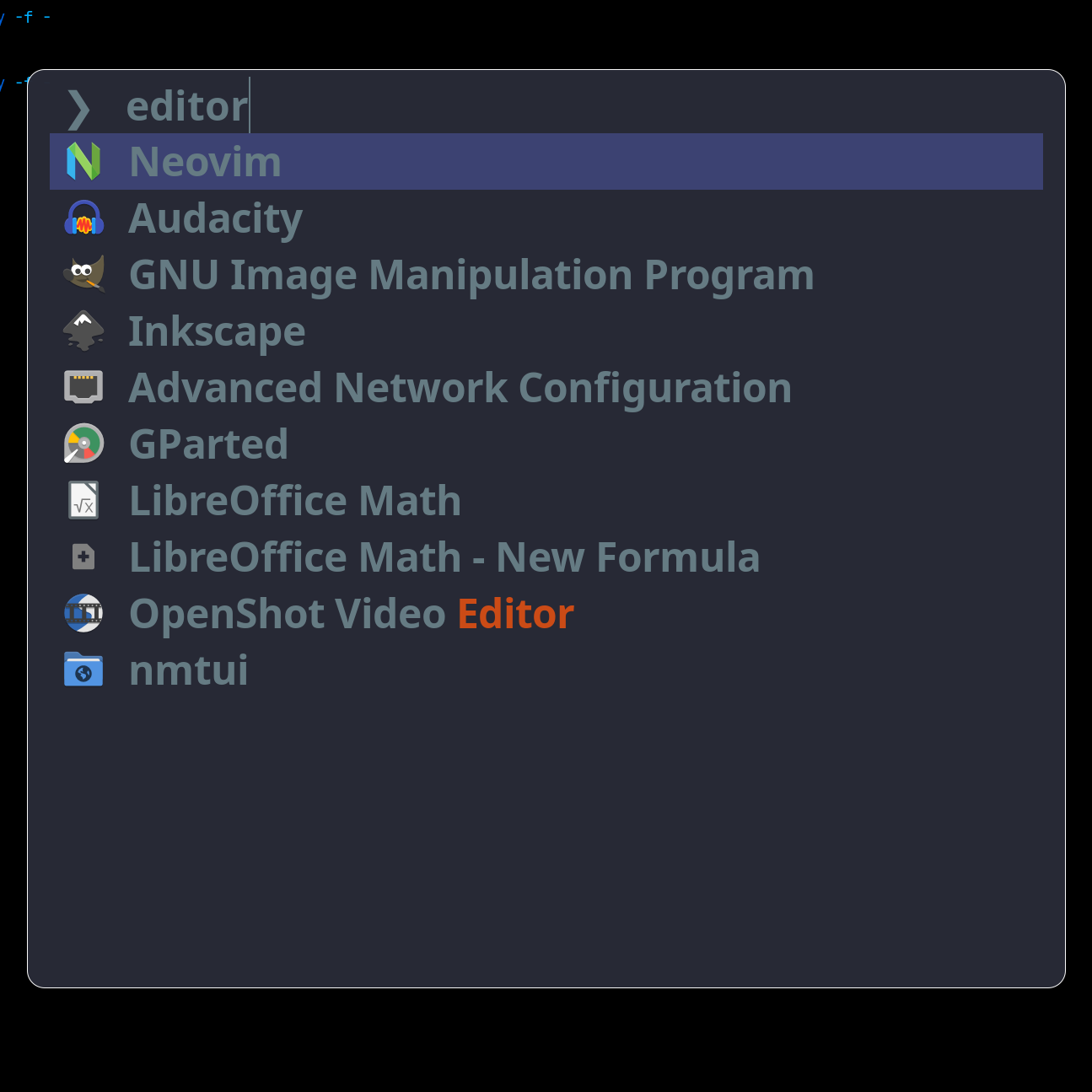
You could add a feature request in the Fuzzel bug tracker. A screenshot of how it is used in Fuzzel could be helpful there.
WordPerfect continued to thrive in the legal industry for years to come due to its “reveal codes” feature and the way it counted words.
Here’s a post about that from 2008.
https://ask.metafilter.com/96820/Why-do-so-many-laywers-use-WordPerfect
There is a newish “placeholder text” option. It could be displayed there and disappear when typing starts.
Yes. The message could be added to the prompt but it wouldn’t look the best.
I remember that this existed, but I don’t remember why.
Corel was known for a drawing program and later for WordPerfect. They were never well known for their involvement with Linux.
Correct. Not just hype but to make it “Like Windows, but free”.
Even then it could be themed to a degree and some distros tried to look more like Windows than others.
fzf has some unique features of its own, like multi-select. Maybe one day Fuzzel will add that.
That’s right! We are just waiting for someone to focus a pinentry/fuzzel script now. All the necessary features are there it seems.
I’ve tested them all and they all launch fairly immediately.
I discuss some of the other feature differences here:
https://mark.stosberg.com/rofi-alternatives-for-wayland/
I think for most people, Fuzzel will be the best choice, but compeitors offer unique features like Rofi-compatibility, HTML formatting support or the most important one: being written in Rust.
The support for running apps in the Linux container feels fairly normal. I had a family member using LibreOffice and other apps that way for years and it worked fine. We bought a more powerful Chromebook and performance was fine. One family member is using ChromeOS on the Framework laptop. Performance there is great.
FydeOS is a de-Googled ChromeOS based in China.
https://www.aboutchromebooks.com/news/fydeos-vs-chromeos-flex-which-is-right-for-you/
Unattended upgrades is for updates in the Linux container. Sometimes it’s used primarily for security updates. The whole thing is so locked down and containerized, I don’t think security updates in the container are as important.
It’s true that Chrome always installed, but you can put whatever icons in your launcher.
I’m not sure about changing the default browser.
Regarding ChromeOS being corporate, it is nearly all open source. You have to login with a Google Account, but once in, you don’t have to use any Google products.
You can use Firefox, Fastmail, whatever you like.
I tried older relatives on Ubuntu and ChomeOS and for the less technical ones, ChromeOS was best.
For ones with confidence and a growth mindset to learn new things, Ubuntu was fine.
If in doubt, I would recommend ChromeOS.
ChromeOS Flex
Yes. But sometimes pasting doesn’t work. Then I switch my focus to another window and back to WezTerm and it works again.
I’m thinking of switching back to Foot.
This is somewhat re-inventing some things Ansible can do, which is download and install software whether it has a formal or informal source.
Ansible is the automation I use to manage personal and professional servers.
No matter where you install from, you have to trust the source. Indeed, you have to trust every step in the supply chain.
If you are getting your code straight from the author, you are eliminating an exploit that’s introduced by a compromised account of a packager.
Carry on.
The same containers can be used for dev, test and production.
Thanks! I’ll give this a try.