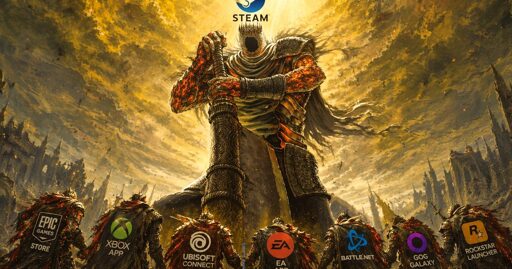
Open any gaming PC, and chances are the blue icon of Steam is sitting right there on the desktop. Not hidden, not optional, but almost expected. Over time, Steam has gone from being just another launcher to becoming the default storefront for PC gaming, almost like a built-in part of the experience. The Monopoly Nobody […]


Yea you just lose the ability to download it again. AFAIK that’s what happened with The Witcher 3’s DLCs brought through some gray market sites.
You obviously lose access to cloud saves, multiplayer and any other feature from the client l. Playing the game after that is no different than playing a pirated copy (practically and legally, if you care about that).
What I mean is that you don’t own the copy any differently than you do on other platforms.
I don’t really see it much differently than Steam, as if a game is on GOG it’s going to be either DRM-free or at worst use the weak built in DRM (which can be bypassed easily).
That’s not to say I dislike GOG, I think the real value of it is the support and patches for older games. They also have a more generous refund policy (30 days, no time limit).
Edit: to be clear this is an issue with
capitalismthe sale of fully digital media, not with GOG and no, I’m not advocating for NFTs.I disagree that is legally no different, if you used a “grey” market seller to obtain access in a way gog deemed illegitimate then you never had license to use it. If you had a legitimate licence then using it after say gog terminated you account, you would still have legitimate license to use the copies you already downloaded despite gog not providing their services to you.
I was just using it as an example for what happens, because it’s the only times something like this has happened. Still, according to their user agreement, they sell you a license through them (so the publisher licenses the license to GOG and they then issue a license to you to access the game), which means that on account termination you lose it and any right you had.
To be clear, I don’t think “ownership” matters that much usually, since data is not a finite resource, but there’s a few cases in which it does, for example: you can’t sell or lend the games or you can’t legally host a tournament or other public events unless you get another license that allows you to do so.
Anyways, my point is that the GOG’s DRM free policy is good, but to me feels meaningless and more like a marketing gimmick and the laws on these things are unfairly against the user. What is meaningful for preservation tho is their “Preservation Program” through which they maintain older games to keep them working on modern systems (which includes fixing legal issues that prevent them from being sold)